Hardwood Floor Water Damage in Vacaville, CA
Wet hardwood starts to cup within a day or two. The drying team uses floor mat systems that pull water up through the boards, which saves many floors that look ruined.
(888) 774-9605Save the Vacaville hardwood before it cups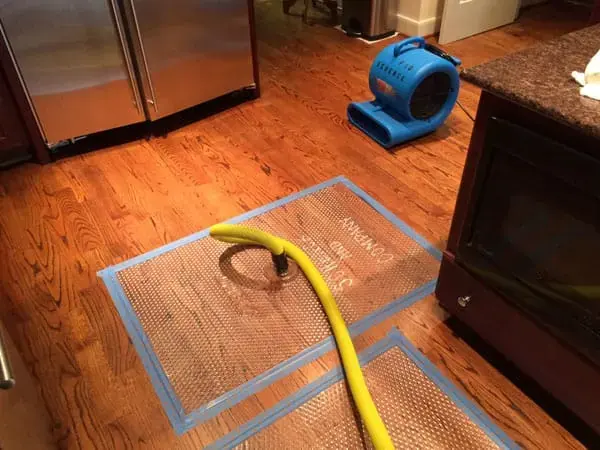
First steps for hardwood floor water damage in Vacaville
- 1
Stop the water
Shut off the source at the fixture or the main.
- 2
Wipe up surface water
Soak up standing water with towels right away; it keeps soaking in while it sits.
- 3
Skip the rugs and fans
Lift wet rugs off the wood, but do not aim fans straight at the boards.
- 4
Call for mats
Call to get floor mat drying set up before the boards cup.
What does hardwood floor water damage cost in Vacaville, CA?
In Vacaville, CA, hardwood floor water damage drying typically runs $1,200 to $5,000, depending on the square footage of wet wood, how long it was wet, whether the subfloor or slab is wet and the number of mat panels needed.
One room
$1,200 to $2,200- Floor mat panels
- Dehumidifier
- Daily readings
Several rooms
$2,200 to $3,800- More mat panels
- Subfloor readings
- Baseboards off
Slab or long exposure
$3,800 to $5,000+- Water from below
- Desiccant drying
- Extended drying
For a closer planning number, try the water damage cost calculator. The restoration company sets a firm price after it sees the damage.
How hardwood floor water damage is handled in Vacaville
Rapid local response
The response team works day and night across Vacaville, and emergency water is normally worked the day it comes in.
IICRC S500 drying standard
Structural drying, not just surface drying: equipment stays until the readings say dry, not until it looks dry.
Claim-ready documentation
A moisture map, daily readings and timestamped photos go into a file the adjuster can work from.
Vaca Valley water experts
Slab leaks, winter storms and attic AC overflow are the losses the Vacaville restoration crew knows best.
The hardwood floor water damage process, step by step
- 1
Map the moisture
The tech who does the walkthrough maps moisture with thermal imaging and pinless meters before any equipment goes down.
- 2
Pull the water
The extraction crew removes standing water with truck-mounted extraction, so it leaves the building instead of moving to the next room.
- 3
Set the drying
The drying team places air movers to each room's evaporation load and runs LGR dehumidifiers to pull that moisture from the air.
- 4
Read it dry
Readings go in the log every day until wet materials sit within 2 to 4 points of a dry reference, and the claim file gets the logs and photos.
Solid hardwood and engineered wood are dense materials that absorb water slowly and give it up slowly. When water gets under or into the boards, the bottom swells faster than the top and the edges rise, which is called cupping. Left alone, cupped boards can split, lift or trap moisture against the subfloor or slab.
What wet hardwood looks like
- Board edges rising above the centers, felt with a bare hand
- Dark stains along seams or near a sink, dishwasher or water heater
- Gaps closing up and boards pushing against baseboards
- A soft or spongy feel over the subfloor
How hardwood is dried
Hardwood is treated as a Class 4 material in the IICRC S500 system. After extraction, the drying team lays floor mat panels over the wettest areas and connects them to a vacuum system that pulls water up through the seams and the wood. Dehumidifiers keep the room air dry so the wood can release moisture, and air movers are used carefully so the top of the board does not dry faster than the bottom.
The tech who does the walkthrough takes readings on the boards and on a dry reference floor in another room every day. Some cupping relaxes as the floor dries, which is why sanding or replacement decisions wait until the readings are dry. Water from a slab leak under hardwood is the hardest case, because the water comes from below.
Good to know
Engineered floors and laminate look alike but behave differently; laminate usually has to come up. The USDA Forest Products Laboratory publishes moisture guidance for wood floors, and the drying-time estimator gives a rough idea of how long a floor might take.
Related water damage services in Vacaville
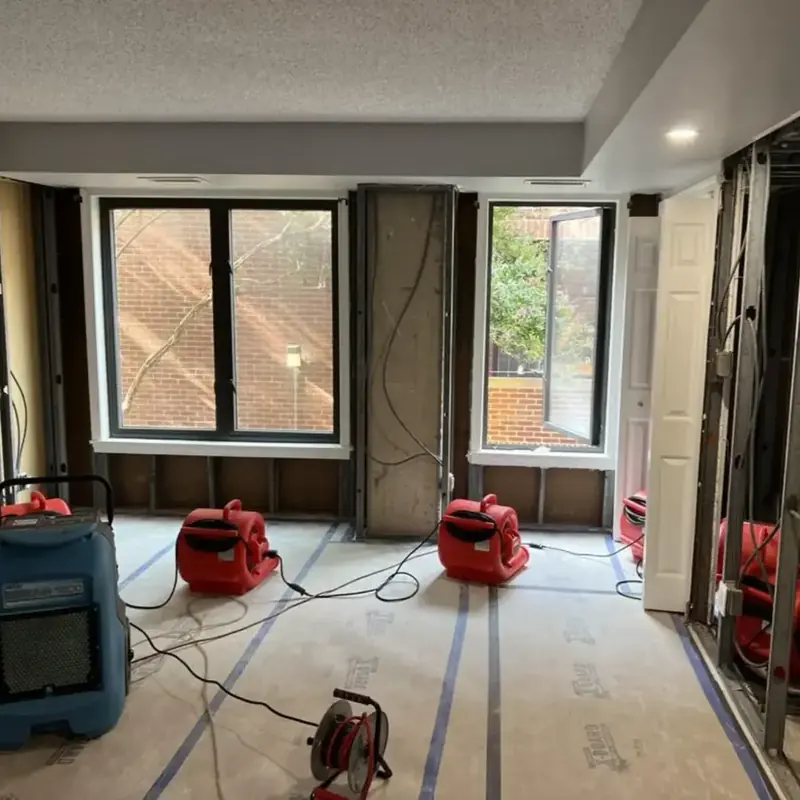 Structural DryingFraming, subfloor and wall cavities dried to a measured reading, not to a date on the calendar.
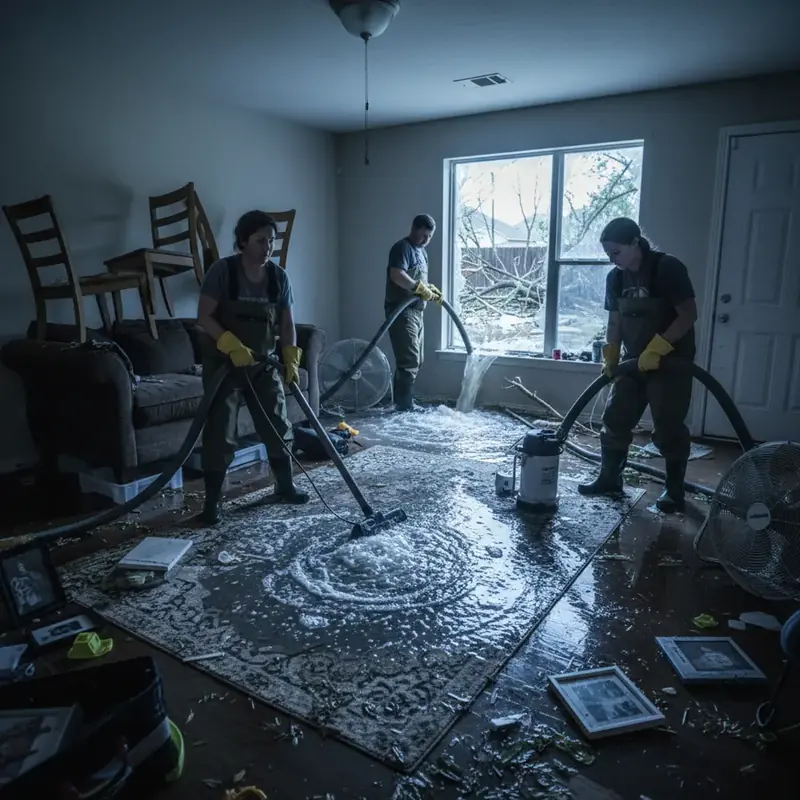 Emergency Water ExtractionStanding water pulled out with truck-mounted extraction before it soaks into pad, drywall and subfloor.
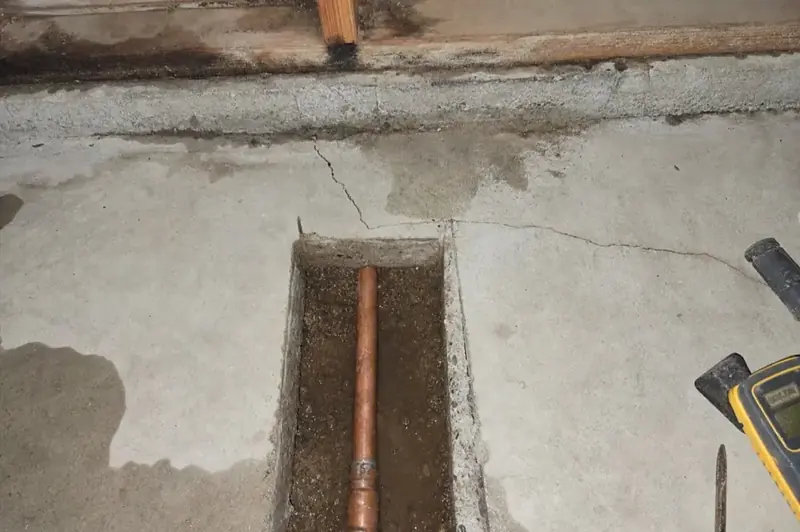 Slab Leak Water DamageCopper lines under 1970s to 1990s slabs, traced with moisture mapping and dried from below the flooring.
Hardwood Floor Water Damage coverage across Vacaville
The restoration team handles hardwood floor water damage in every Vacaville ZIP code and the neighboring Solano County communities.
The restoration team covers all of Vacaville, from downtown and Browns Valley to Leisure Town and the Nut Tree, plus Elmira, Dixon, Winters and Allendale.
ZIP codes 95687, 95688 and 95696.
See every area coveredHardwood Floor Water Damage questions
Can water damaged hardwood be saved?
Often, if drying starts quickly. Floor mat systems pull water out of the boards, and mild cupping usually relaxes as the floor dries. Boards that split, delaminate or stay wet are replaced.
How long does it take to dry a hardwood floor?
Usually five to ten days with mat systems and dehumidifiers, depending on the wood, the subfloor and how long it was wet. Equipment stays until readings match a dry reference floor.
Should I sand a cupped floor right away?
No. Sanding a floor that is still wet leaves it crowned once it dries. Refinishing decisions wait until readings are dry.
Why not just run fans on the floor?
Fans alone dry the top of the boards faster than the bottom, which can make cupping worse. Mats pull water from below while dehumidifiers dry the air.
Is hardwood water damage covered by insurance?
Sudden losses such as a burst line or appliance failure are often covered, while slow leaks may not be. Coverage depends on your policy, so it is worth checking with your own insurer.
Is laminate treated the same as hardwood?
No. Laminate has a pressed fiber core that swells and does not recover, so it usually comes up. Engineered hardwood can often be dried like solid wood.
Still wet while you read this? The restoration team works around the clock.
(888) 774-9605Ask about a cupping wood floorWater on a Vacaville hardwood floor?
Every day the boards stay wet, cupping gets worse. Get floor mat drying set up today.